
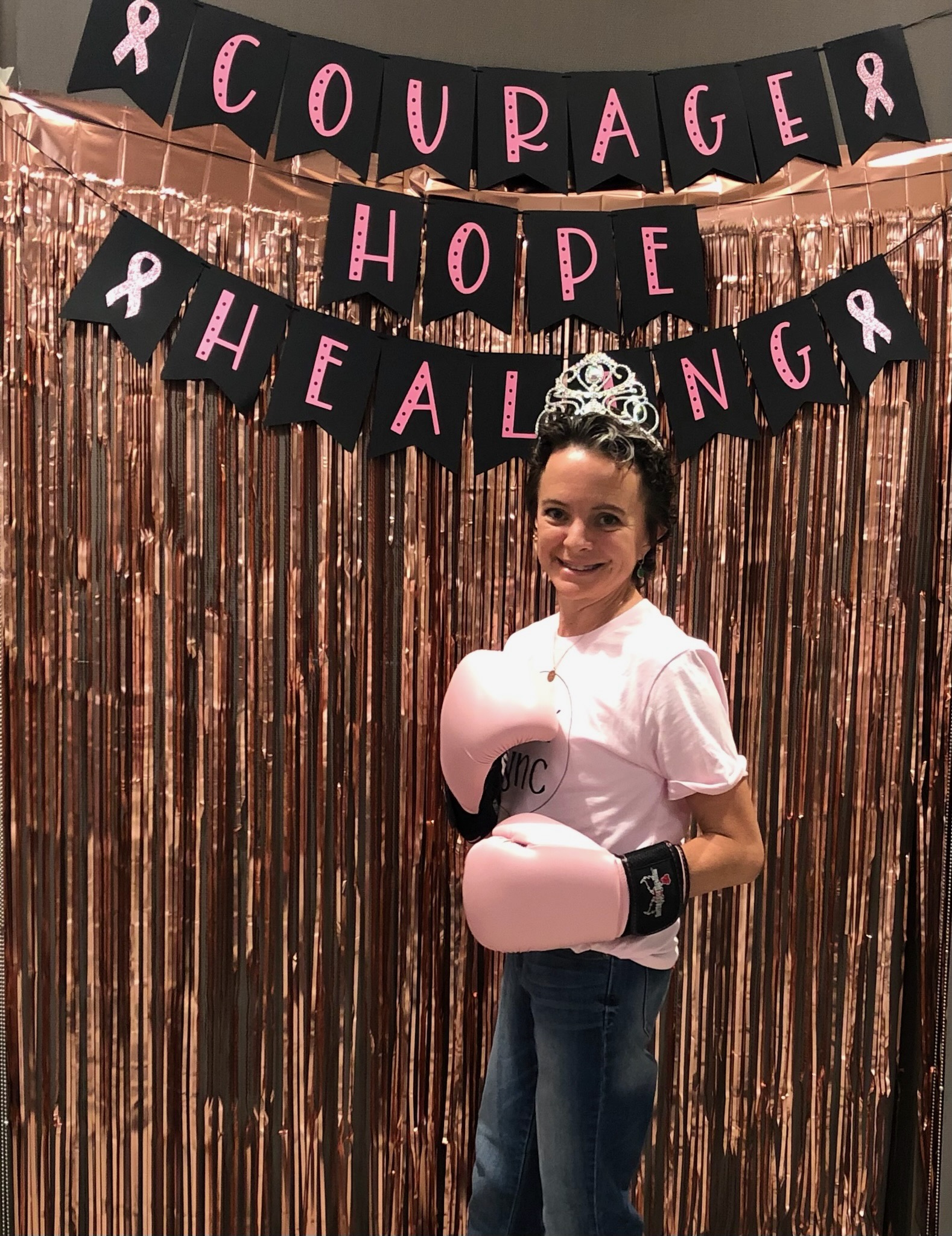
Episode #001
Sendy Mom Miriam Wood died from breast cancer on December 10, 2024. This is her legacy. I owe her the ideas for the rapid fire questions, my commitment to enjoying every moment of the life I have, and the fierce loyalty to friendships and really, this podcast. I miss you Miriam!
“Just do it. Even if it’s like high risk or chance of failure.”
Miriam Wood
In this conversation, Becky and Miriam discuss what it means to be a Sendy Mom and the importance of taking risks and trying new things. Miriam shares her personal experiences growing up with a genetic condition called osteogenesis imperfecta and how it has shaped her perspective on being Sendy. They also talk about the challenges of comparison, the importance of self-reflection and mindfulness, and the power of sisterhood and sibling relationships. Miriam shares her journey of infertility, adoption, and the joys and struggles of raising her children. The conversation ends with a mention of Miriam’s experience with breast cancer. Miriam shares her experience of being diagnosed with cancer and going through treatment. She emphasizes the importance of getting a second opinion and being an advocate for oneself in the medical world. Miriam also discusses the concept of radical acceptance and finding joy in the present moment. She talks about the support she has received from her family, friends, and community, and the importance of compassion and connection. Miriam shares her perspective on identity and the value of moving her body every day. She recommends getting scuba certified as a challenging and rewarding experience.
“Living with a terminal illness, you have no fog. There’s no fog. You see it. And you are literally on the chasm and you know that that chasm is coming.”
Miriam Wood
Takeaways:
- Trying new and challenging experiences, such as scuba diving, can lead to personal growth and overcoming fears.
- Being a Sendy Mom means taking risks and trying new things, even if they are hard or have a high chance of failure.
- Comparison is a thief of joy, and it’s important to be mindful of our feelings and choose helpful actions.
- Sibling relationships are important, and it’s crucial to prioritize and nurture those connections.
- Infertility can be a challenging journey, but there are different paths to building a family, such as adoption and foster care.
- Self-reflection and mindfulness can help us navigate difficult emotions and make positive choices.
- Support from other moms and women is essential for personal growth and resilience.
- Breast cancer is a significant challenge that Miriam has faced in her life. Getting a second opinion and being an advocate for oneself is crucial in the medical world.
- Practicing radical acceptance and finding joy in the present moment can help navigate difficult situations.
- Having a strong support system of family, friends, and community is invaluable during challenging times.
- Compassion, kindness, and connection are essential values to instill in children.
- Identity is not solely defined by achievements or titles, but by our spiritual nature.
- Moving one’s body every day is important for mental health and overall well-being.
If you loved this episode, try:
Ep. 006 with Amy Lucas, Hard Conversations, Healthy Boundaries, and Mediation
Ep. 018 with Hazel Mason, Faith, Courage, Hope: A Story of Addiction Recovery
Ep. 039 with Meredith Parfet, When Life Falls Apart: Navigating Crisis with Clarity and Compassion
Ep. 014 with Angela Johnson, From Opera to Sculpture: Overcoming Fear on Stage and in Art
Transcript
Miriam: Let’s just do this. Let’s do this Sendy style.
Becky: I’m really excited to talk to you about this. So, okay. So first off, do you understand what Sendy means? what does Sendy mom mean to you?
Miriam: I just feel like it means pretty much Carpe Diem. Just do it. Even if it’s like, high risk or chance of failure and just take the plunge.
Becky: Yep. And that’s pretty much what I mean. And it’s not necessarily going to do some high risk activity either. It’s not like going to rock climb or going to, you know, skydive or anything like that. It’s like doing things that are just hard for you and just trying new things. So, okay, I appreciate that. And why would you be interested in being on this podcast?
Miriam: Well, because you are a dear friend, number one. And I feel like all of us are wired to be Sendy moms because being a mom is about being Sendy. It requires some resilience to be able because we’re all going to fail and we’re all going to make mistakes and so we need to be able to bounce back from that right?
Becky: Absolutely. Just try things because if you sit down you’re going to go backwards. It’s like being on an escalator right and if you stand still you’re going to go down you have to just keep moving forward. it’s constant constant motion. Well tell me a little bit about yourself and about maybe the family you grew up in and the family that you have now.
SELF ADVOCACY
Miriam: Okay. So I am originally from New Mexico. I was at the doctor the other day and I apologized because I hadn’t done something prior to the appointment. And I said, you know what? I need to not apologize. And he said, are you from Utah? And I said, no. And he said, because Utah women are notorious for apologizing. And I said, no, I’m from New Mexico. And that is why I’m not going to apologize. I appreciate your patience. I’m not going to apologize that I didn’t do XYZ. yes, I am not from Utah. I’m happily living in Utah, but I am from Albuquerque, New Mexico, born and raised. And my family of origin, I am the youngest of four and I think our upbringing is part of the reason why we all are the way we are is because of our upbringing. So my parents, I guess backstory, my mom has a genetic mutation that has it’s a collagen disorder that affects bones and any anywhere there’s collagen but especially bones and so I grew up because she has the mutation it was a 50 -50 chance so three out of the four of us ended up with osteogenesis imperfecta. Three out of four oh my goodness so the stats didn’t play true.
Becky: At least you had each other to kind of talk to.
Miriam: And my mom because she was the mutant so she didn’t actually know anything about it because this was like before the internet before like anyway and and she grew up in small town southern New Mexico. So she didn’t even know there was something that was wrong. She just knew she was smaller. And she yeah and she knew that like she broke her bones for no reason like twice I think two or three times that were like kind of unexplained. So she knew something was different but it wasn’t until she was in college that her friend took a medical class and came home and said you know what I think I just read about what you have because your teeth look this way your eye whites of your eyes look this way my mom really made it clear that she wanted me to have a normal childhood so she made sure that I still learned how to ride a bike and I still you know and so yeah fall and I break a bone or I’d whatever but she wanted me to not just sit on a pillow.
Becky: That’s great because she really taught you some resilience. for sure. Be confident and to just just try it even though. So did you really break a bone?
Miriam: Like, yeah, all the time. Really?
Becky: Because your bones are brittle.
Miriam: So before the way that I’m pretty mild compared comparative to what other severities are with OI. So I’m fairly mild. So I probably broke my bones maybe three to four times a year. So, and then once I hit puberty, then it actually with the hormones, it subsided. And so I, after puberty really was pretty normal so I do have to be more careful but and are your siblings kind of the same. I have a sister that passed away in a car accident when she was, well, it was 20 -ish years ago, and she had OI. And then my sister who is still surviving, she also has OI. So I’ve got a niece and a nephew that have it, and then out of my two biological children.
Maggie has it. So that’s my family of origin. And that’s kind of the way we were raised is like, just do all the things. And my dad’s family, is, this is, was a very interesting yin and yang. very, very high risk, very adrenaline junkies, always like out on the lake doing like pyramid, um, jet skiing and, like my grandpa at age 80. They did that lagoon ride where you get pulled back in the slingshot. Like that’s just how the Moody’s are wired. Okay. And so you’ve got my mom who’s like got these kids that are fragile and then she’s married to the Moody family. And so family reunions were always just like people were jumping off roofs into swimming pools, know, roof to trampoline to swimming pool. Like that’s just, that was the norm in the Moody family. And so then it was like, how do you fit in?
Becky: What was that like for your mom to have to try to she’s trying to protect you because she knows that there you know these dangerous things that are going to break your bones and you’re gonna have to go to the hospital and that’s a pain in the butt you know to have to deal with so how did she manage that
Miriam: She taught us a lot about self -advocacy and that was really important and so she also as her backstory she specialized in education. Okay. And so she started out working with the blind and then she ended up just in the special education world working with like resource kids and IP specialist. So she really understood like the ADA world about disability and advocacy and so with in terms of fitting into the family life, it was just you need to be the one to speak up and say, no, I don’t want to do that.
Becky: Okay, so where would you put yourself on the spectrum of cautious to reckless?
Miriam: Definitely right now in my life, I’m very cautious. I would put myself in the middle prior to becoming a wife and a mother. Okay. I was pretty middle of the road. I’ve been repelling. I did water stuff, tubing, and I never did do skiing because that was probably not a good idea. But I stayed pretty active and doing things that I felt were hard. I did some triathlons.
Becky: Tell me about your experience with your triathlon. How old were you when you did that?
Miriam: It was when we were first married, the first little bit. It felt like a big deal yeah when I did it just because it was a big push for something active and pushing my boundaries in terms of like I’ve never been competitive that’s the only thing I’m not a competitive person okay and so I think that is I think maybe more like less Sendy. Yeah. And you know that I’m, I’m just like, I’m just happy to do what I can do.
Becky: And so that’s where triathlons was like a happy fit because they, it was like, you’re working against yourself, right?
COMPARISON IS THE THIEF OF JOY
Miriam: But there’s all these people around you that are going faster and better. And then you have to just say, but it’s not about them. It’s about me. Right. You know? And so that’s, that’s something that in, in my life, definitely that quote “comparison is a thief of joy” has been a very big part of understanding how I stand versus everyone else because it will always you will always feel bad about yourself.
Becky: What are some tools maybe that you use to keep yourself from comparing yourself to others?
Miriam: I think it goes both ways too because I could compare myself to someone and say, I’m not as good as them. Or I could compare myself to my strengths and say, well, I’m better than you are. And you end up feeling lousy every time. terrible person. know. Either way. so honestly, it’s in the moments of self -reflection and being more mindful just as I’m realizing, gosh, I feel bad. Why do I feel? Yeah, and we just talked about this in a meditation class that Nick and I went to and it’s this idea that first you assess your feeling tone, whether it’s a negative, a positive or neutral feeling. And then from there you say, well, what am I going to do about that? Am I going to do something helpful or unhelpful? And so if I say to myself, I’m comparing myself. So I say, that’s a negative feeling tone. Well, am I going to do something helpful and say, I need to stop and redirect or unhelpful and say, let me just feed that.
Becky: Yeah, because you can go anywhere. Those are just thoughts, you know, and the thought is, can be anything. And so you have the circumstance that happens, whatever that happens to be, and then you get to choose how you’re going to deal with it. I love that you’re doing some meditation or learning how to do meditation, because I think that’s super important to be able to stand back when you have a feeling and take a look at it and say, like, why am I feeling this? What’s the emotional context and then how can I, you know, take this feeling and make it a positive experience for me? Because we don’t want to necessarily ignore all those negative feelings.
Miriam: Right. And that’s something that I’ve been prone to. And I think because of my history with physical pain is that I’ve ignored pain to where my pain tolerance is unhealthy. Too high. Yeah. And I ignore my feelings and and we really shouldn’t ignore negative feelings. We need to say that is negative. Let it sit with us. Let it teach us. Yes. And then choose to be helpful and and move on and learn from it. So, yeah, that that’s that’s been really key for me. And one of the things that we talked about, too, in this class is just that mindfulness or meditation is not to teach us how to sit still, it’s to teach us to be mindful in all of our to -do’s.And be deliberate. And so that we’re not just being rote and just mindless in any of the actions. so that helped me to realize just in terms of going back to the comparison is when I am feeling those, that ick about myself and then I can say well why you know I’m not I’m not needing to sit down on a cushion and meditate and be Zen I can just say in the moment, right then.
Becky: I’m more I’m definitely more competitive. So one of the things that I’ve done, like to get over this competitiveness is, well, first of all, I just never competed because I just didn’t like losing. And so it was hard, you know, in my own way, guess.
Miriam: Yeah, no, is, that is a sign of giftedness. If you’re not going to be the best, then you just don’t do it. So that, is a compliment to you.
Becky: But I decided I need to work on this. And so I started playing pickleball with a lot of people in the, in the neighborhood and I was not very good. Like most things when you try them, you’re not going to be very good. You have to be bad at something before you’re going to be good at it. But that’s the thing. You just have to keep doing it for a long time and then you get better at it. And so I kind of kept going and, but I would lose like every single game and I would come home and I would cry. I’d feel so horrible. Really like as an adult and I would be like, I don’t know why I keep going back. I should just stop doing this. But I just kept going, kept going and I started getting better. I talked to my sister who’s a great softball player and she told me, “We’d lose games all the time and I would do hit bad hits and everything.” And she said, “what I would do is write one thing on a piece of paper that I wanted to work on during that game. And I put it in my back pocket and I would just think about that one thing that I was going to work on.” And I thought, okay, I can do that. And so after that, things got so much better because then I think, okay, I’m just going to make sure that all of my serves are going to the right place. And I’d work on that. And every time a serve went to the right place, I would be like, yes, I won, and nothing else mattered. And so that’s one of the tools that we can use as we’re trying new things to keep going, even though, you may want to quit. And that’s one thing that can help you to keep going.
Miriam: Focusing on just being a little bit better every day on one thing. To circle back to my family now. That’s something that I have seen in the hardest times in our family for me have been when I have compared. I think back to, Nick and I, my husband and I, we got married 17 years ago and his former wife had passed away from cancer and they had a daughter who was two at the time when Nick and I met. And so when we got married, I adopted her. We were experiencing infertility and that comparison with infertility was like a special kind of crazy that was like for reals insanity when Hannah in the Bible they talk about how she Would come to the temple and they thought she was drunk. No, she wasn’t drunk. She was just in mourning and yes and desperation And I felt like I was losing my mind. so we ended up doing foster care because my impression as we were trying to start a family, know, add to our family, not start because we had Allie. We just needed children in the home and I thought to myself well that was like the dumbest answer to a fasting prayer month long you know months and months and I said because we’re trying to have children in our home and so I thought so it ended up being funneled towards foster care and so that was actually very healing for me because we ended up after two years of different we had five placements. And our fifth placement was our son Damien that we got him as a newborn and ended up adopting him. And in the adoption process, we realized learning more about adoption, we were like, actually, I need to adopt Ali because I didn’t realize that there were a lot of legal implications. anyway, we ended up adopting Ali. I ended up adopting Ali and Damien on the same day.
Becky: Okay, that brings up questions because you most like a lot of times when you’re you’re you know, trying to try something new or you’re sending something you it’s some it’s a choice, right? And it’s something that you choose to to go climb that mountain or whatever. You’ve had a lot of things that have just been thrust upon you, where you’ve had to make the decision to Okay, I’m just going to go with it and do it like, tell me about some of those experiences.
Miriam: Being born with osteogenesis imperfecta, you know, that’s not something you choose. It’s just that’s your standard. And then later on in marriage with infertility and also being married and not the typical cookie cutter type marriage, you know, that it was a second marriage. you’re automatically inheriting a child. Yes. And so I stopped my career. I was an elementary school teacher and I stopped my career and became a stay at home mom. And I had no idea that there was a type of stress that would come from leaving a career. Ali was three at that point. She, had a lot of trauma and so understandably was a handful.
LEAVING A CAREER FOR A FAMILY
Becky: Okay, but tell me about you were talking about leaving your career. Yes, it’s a real hard. Yeah, and that was really difficult because of validation. You know, it was like this. Sure, you get a paycheck that’s validating that says, okay, this is a monetary equivalent of what you’ve well, except when you’re a teacher, it’s not equivalent. You really do work so hard. Anyway, but it’s you know, you would get from your peers and from your students that say, Miss Moody, you are such a great teacher or you’re so or whatever and and then you get to stay home all day with a three -year -old that just tells you that you know you’re the worst person ever or I don’t like you or you know and and it was very very isolating so that was hard and and really had to learn how to network with other moms. actually makes a big difference. made a huge difference and I had some great ladies in our ward. In our initial neighborhood that we lived in in American Fork and just we’re still great friends today and they really saved me from that. Book club was something for me to look forward to every month and it made a really big difference to have. We need support and you know, women, everybody needs a woman. absolutely.
LIFTING EACH OTHER
Becky: Women need women. Yeah, absolutely. We need to be able to chat with each other and, and honestly, sometimes I wonder, you know, it used to be, and even now in other countries, a lot of times women will get together at their ancestral home, you know, like with their parents and all the siblings are there, all the women and they drink coffee and they talk and that’s their therapy. And now we have to pay people to listen to us. We should be able to just talk to each other and kind of work through all of these things and recognize. This is where comparison comes in a good way because we can look and say, she’s doing it like I am. She’s having that same issue I am, and this is how she’s dealing with it, and this is how we can grow together from learning from each other.
Miriam: One of my favorite paintings, and I just have a print of it in my home is James Christensen painting of an angel and it’s based on an Italian poem. She has one wing on the back of her shoulder and the poem is that we are all broken angels with one wing and we only ascend by embracing each other. And so then we can have two wings as we.
Becky: my gosh, will you get me that poem?
Miriam: It’s an Italian poem and It’s a lovely painting, but the sentiment is we’re all broken. well, in some regard, and really we feel wholeness as we can step aside from, you know, all of the temporary titles we give ourselves. And so I think that it’s this balance of saying, yes, I need to recognize that I am whole and worthy as I am, but also there are parts of me that need help and attention.
Becky: There’s some things that you can do yourself and some things that you’re going to need help with.

“We are, each of us, angels with only one wing. And we can only fly embracing each other.”
— Luciano De Crescenzo
FIERCE SIBLING LOYALTY
Miriam: And asking for help and accepting help. Holy cow is really hard. So we adopted Damien and Allie and the weekend that they told us that we had a permanency hearing that that we would keep Daymion is the weekend I found out I was pregnant with Maggie after like almost two years of infertility treatments and those are terrible too. So we found out I was pregnant with Maggie. So they are 15 months apart to the day. So they’re kind of like twins. then so we had Maggie and then we just said, we are never doing that infertility stuff ever again. And so because it is just wicked. It’s brutal. Yeah. So we decided and because they were so close in age and Daymion is my joy boy and just so energetic and so it’s interesting because they both are yes Maggie and Daymion but she wasn’t originally he they needed each other because she would be prone to just being quiet and subdued and really but he pushed her to be more outgoing and she helps him pull back and know how to. I agree. think it really helps to have your children. Not always. I mean, just have them close emotionally to each other because they do really help each other can help each other to lift. But how do you do that as a parent? How do you like raise them to lift each other? Well, so a long time ago, I just got it back when we were just we had lots of years of just building a company and not making any money. And so I have this forever and I won’t ever throw it away but it’s just a cheap piece of foam board that I ended up with after working on some primary activity and so it’s just a leftover piece of foam board I didn’t even have money enough to buy but I thought, I’ll just use this foam board from the primary leftovers. And I wrote in marker what the top things I want my children to do. And I stuck it on my wall and I will never throw that away. But one of them is fierce sibling loyalty that I just in everything, it is always siblings first. So like when they were little, if they weren’t getting along with siblings, when friends were over, friends left. And I said, your sibling relationship is more important than friends and your and so if they ever had like a big fight and it was like, okay, you’re grounded from friends or you, know, because you don’t need outside things you need to focus or media, you know, screens, you need to focus on each other. and then as they’ve gotten older, it’s just still prioritizing sibling time. And so we have to be really deliberate about, something I’m trying to do right now is we made a matrix of the relationships between the four kids. So there’s a combo of six when it comes to pairs. And so I want them to spend time with each of those pairs of relationships and just away from the others. and because we struggled with infertility and the way our family was made, there’s a six year gap between Ali and Daymion and then Maggie and Daymion are 15 months apart. And then we ended up surprise getting pregnant with Lizzie when the keto diet wasn’t even a thing. Like it was just like no one even a thing but it fixed whatever was going on infertility when I did it. I did it to help my knee and all of sudden I was pregnant So there’s a huge age gap with my kids between all four of them. We’ve understood that that is a blessing because we can, you know, okay, Hey, Ali, you know, you’re old enough. You can help watch your siblings or, you know, that there’s benefits, but also it’s a really tricky to try and get your kids too. And so we’ve had to be really deliberate about helping them form relationships with those 13 year age gaps.
Miriam: So my mom’s family, have an 18 year gap between her and her youngest sibling. It’s been interesting. They are good friends now and, but they didn’t even grow up in the same house, you know, that. so, even with my siblings, my oldest sister and I were friends, you know, and, but it was when she was going through her divorce that, we reached out to each other and she relied on me and now that my life has kind of been turned upside down, it’s been good to know that my sister has my back and helps out she can.
CHALLENGES WITH STAGE 4 CANCER
I would say that a challenge right now, given medical circumstances, and we can back up and tell the backstory of that, something that’s been difficult for me is just making sure to be intentional and present in the moment. And so because you feel pain when you live in the past or anxiety when you live in the future. so really there is peace in the present moment. And so it’s been challenging and it’s been scary to try and just stay in the present moment. There are, I wouldn’t say scary necessarily, but it’s our natural self, you know, this natural man, natural woman, we, we are prone to be anxious, thinking about the future, or we’re prone to ruminate and brood over the past. And so being present and mindful and saying in this moment, this is the way it is, and this is how I am and really things are okay. Yeah. Are there and then we don’t even have to put the label on going to be okay. You can just say right now this is it and and this is a really important thing for right now.
Becky: Can we go to the cancer stuff?
Miriam: Yes, yeah. two years ago almost yeah to the date I found a lump in my left breast and just thought, this is normal. I’ll just wait a couple cycles and see if it goes away because I would have lumps come and go. And so it didn’t. And so I went and got it biopsied and found out it was cancer. And the day that I found out, we had been misdiagnosed. And so he had told me that it was a cancer that’s fairly easy to treat and just said, we’ll do a lumpectomy, we’ll do radiation and just some hormone blockers. And easy. Yeah. And so I was like, whew, okay, we’re good.
Becky: Okay, let’s just stop for a second. Because as soon as somebody says cancer, like, you know, like most people, it doesn’t matter what kind of a cancer is, but like now you know all the difference.
Miriam: So it was actually, he said, it’s the same kind of cancer your mom and grandma had. my, know, it’s never easy. Cancer, there’s no way to say like, that’s a good cancer because heaven knows. There’s no good cancer. But so we got in the car after the appointment and Nick and I cried and we both felt like, we need a second opinion. It just felt something wasn’t sitting right. And that’s the heart knowing it just wasn’t right. And so we called Huntsman immediately. luckily, I mean, it was really towards the end of the day. So I was able to talk to them. And within 12 hours, really sick, you know, 18 hours, whatever, they had called me the next morning, first thing and said, we are going to get you in next week. And as we’re talking, I said, okay, well, it’s ER positive. And she said, honey, it’s not positive. And I said, Well, what is it then? She said it’s called triple negative. And I said, negative. means it’s good. Right. And she said, that’s the worst. And so, that’s when the news really broke was like, no, this is not going to be what I thought it was. And so looking up triple negative, it was, it was a rough, it was a rough day that day. And, just because reality had already shifted, but now it was like,
Holy cow.
Becky: Do you think it helped to get like the soft blow first and then?
Miriam: I’ve wondered about that. The Huntsman ball got rolling and I was diagnosed with triple negative stage three and went through a clinical trial and that drug kind of worked and then stopped working. And so then I got on a new chemo, the standard of care regimen and I had to work through that and ended up my tumor didn’t react to it, didn’t react like it should have. Right. And so things were expedited and I was pushed to surgery and kind of skipped some treatments. Failed is not the right word, but kind of skipped chemo as if they seem like they weren’t working anyway. Yeah. And that was a trial, right? The trial at first. Yes. So I skipped that. And then standard of care, there were some of those treatments that I ended up skipping either condensing to dose dense anyway it’s a whole cancer world but I got my mastectomies and finished radiation at the end of August of last year in 23. And then I have, by then I had switched from Huntsman oncology down to closer to home just because it was getting exhausting driving to Huntsman. Well, and at one point you were going to California too. Yes. Yeah. Yeah. And so we, yeah, we had reached out because as it was becoming clear that my cancer mutations and different things were making it extra tricky. Triple negative was already tricky and then added layer of my different mutations. So we had gone out to California to get some… Yeah, speaking of self -advocacy, you’re really good at this. Yeah, so I was not a stranger to the medical world. This was not my first medical rodeo. So I am fairly good at meeting with medical professionals and saying, this isn’t a good fit. And I don’t like the way this is going. And I don’t need to waste my time and not just trust that, the doctor’s going to take care of me. There is a reason why it’s called medical practice. Yes. Because they’re practicing and they’re making mistakes. the Hippocratic oath says, do no harm. But when you go into the medical world, you are acknowledging that you are willing to pick up both ends of that stick.
Becky: That’s right. That you might get harmed. Yeah. And you’re never going to do it deliberately. And maybe that’s what the Hippocratic oath should say, you know, never deliberately give harm. Right.
Miriam: Because we do have to understand that we are human and that there is a human error that is, is definitely. And there’s a litigious, you know, we are so prone in our society to sue people that. We tie the hands of doctors a lot of times. And so that’s why we ended up going to California is that the doctors that we were working with at Huntsman weren’t willing to do further testing and additional chemo’s and we were just willing to throw everything at it. they weren’t because their hands were tied because of bureaucracy. so we did go to California for probably three, well, three chemo’s and then for different appointments and things. But then we ended up finding a doctor in Utah County, which was just a huge blessing to be able to be with him that he would listen and would meet our needs. And so that’s where I’ve been for oncology. I still do Huntsman for radiation and imaging and different things. So we finished, I finished radiation and I say we a lot because it has been a family affair. so I catch myself and I’ll say we finished radiation, but it’s me being ready. They weren’t sitting with you doing it at the same time, in your heart. It was a huge family affair. It’s been a, it’s been so… we go. And you know, and that’s like having other people surrounding you during these hard times is super important.
Miriam: My kids are just, they’ve been superstars through all of this, but they have learned amazing skills that they would have never been able to learn. Empathy, support, compassion, helpful, like seeing a need and saying, I’ll do that, or being asked to do something and they And jump in and do it. They are really phenomenal kids. You also hear the yelling sometimes too. I’m the yeller, just so you know. It’s me. I’m the problem. It’s me. Because… No way. we were yellers. I was raised with yelling and Nick was raised by a very calm… I can tell that. Very calm. Yeah, he is very calm. It bothers him when I yell so I have learned to not yell as much but I still have that in my DNA
Becky: yeah same yeah well I just had to yell because there were so many people if I were to be heard I had to be yelling yeah I know yeah it’s the and if you’re like because you lived on a farm too didn’t you
Miriam: no we lived it was it wasn’t a farm but it was in like a rural part like bigish property where you’re yelling for your kids to come in. Yeah, because we grew up, the neighborhood wasn’t developed all the way and so, I mean, we would just wander off to the river. I grew up next to the Rio Grande. We’d just wander around and because there were hardly any houses and so, you know, my dad would whistle at dark and we’d come home.
Becky: That sounds similar. But anyway, yelling.
Miriam: So I finished radiation in at the end of August of last year, my oncologist that I found at Revere here in Utah County was just really proactive and really understood the severity and kind of the risk that I was at for just saying there was a lot of people that just would say, I’ll see you in six months. Right. And he just said, We’re not doing that. You did not follow the rules. This cancer did not follow the rules. We are not going to follow those rules. And where most doctors would say, we’ll see you in six months. He said, we’re doing a blood draw right now at the end of treatment. And we’re going to see if it’s this new blood draw to see if there’s any circulating tumor DNA. And it came back just very, very slightly elevated. And he said, sometimes it’s a false positive. Let’s do another draw. And so it was a drawn out process because it’s so new and it’s not, you know, this quick turnaround. And sure enough, the next one came back even more slightly elevated. And so he said, let’s start digging. And so we started digging and then I had one of my radiation docs at Huntsman that I love. She’s the one that said, if you’re getting these positives, you need to look at the brain. And so she’s the one that helped us really kind of push. We would have gone but it might have been a little bit longer. And so we found out in November, that was a very key day, was November 3rd, that we found out it was stage four, because they found spots in my brain and one near my esophagus. So we knew it had spread. And so being stage four, You just have to, comparison is a thief of joy. Just that you have to say, this is what’s happening.
Miriam: And then, well, and like you were saying, like living in the present, I think is a really great way to be, because this is something where you could look towards the future and say, this is my life for the rest you know, and then, and have some real anxiety about that and also look at the past and, feel bad about things that maybe you could have done differently or whatever. I still do that. I absolutely still do that. And all of those things are just your go -to, like the easy button. And you just you know, this isn’t fair. And why didn’t I do this? And why didn’t the doctors do this? And you know, all of those things.
RADICAL ACCEPTANCE
Miriam: And so I have a fabulous therapist and she is the one that introduced me to radical acceptance. And that’s just, it’s basically the alcoholic anonymous prayer. Okay. Serenity prayer. right. Yeah. And it’s, basically that, but, on steroids is just saying that we just have to accept that we’re all human and we’re going to die and no one knows when. And something that’s been helpful too is just some different cancer support groups, especially the stage four support groups is just the idea that in terms of radical acceptance is that we’re all walking on a tight rope and everyone is in the world. Every mortal is walking on a tight rope. Everyone who isn’t staged, everyone who doesn’t have a terminal illness is walking surrounded by a lovely fog. And every once in a while you get a peek down to the chasm that’s below you and you realize the danger and the fragility of our mortality. But with living with a terminal illness, you have no fog. There’s no fog. You see it. And you are literally on the chasm and you know that that chasm is coming. Wow. And the bus that you, you know, people say, I’m going to get hit. Anyone could get hit by a bus tomorrow. That’s the, that’s the kind of the first phrase is, well, we’re all going to die. I could get hit by a bus tomorrow. And it’s the difference is, no, the bus is literally coming towards me and I’m standing in wet cement and I can’t get out. And my family is going to watch me get hit by the bus. So it’s, it’s just, it’s tragic, but it’s also that radical acceptance of, yeah, we’re all going to get hit by the bus. We’re all going to fall off the tight rope. It’s just, I have to accept that it’s well and you can’t you can’t stop your life because of that either and that’s one thing that I’ve really admired about you too is that you just you’re you’re just plugging forward you know as if there’s nothing you know like you know that it’s there and you accept that that it’s there but you’re also not you’re still going to book club you’re still you know out there doing all these things that you would be doing otherwise you know as long as you’re your health yes and that’s the thing that’s been really actually I wouldn’t say it’s not crippling, but it’s been really, it’s been really difficult is that I used to be like their super mom, you know, and I talk about like this sphere of things that I used to do was just endless. Like I could do all the things. And now it’s like, you know, the size of a dime.
Becky: How is that for you?
Miriam: It was very hard because my identity is tied to achievement. Yeah. And, because I said, maybe you are a little competitive, but I’m competitive against myself against yourself. Yes, and so knowing that I could do better has been so because it’s my identity is tied to checking things off my list. And, you know, we talked about this where, where even at the end of the day, if it wasn’t on my to -do list, but I did it, I’ll write it on my to -do list. So I can cross it off because I’m like, okay, so things on my to -do list when I’m not feeling great are things like putting my shoes on and putting my makeup on and going on a walk. Like those things are sometimes the only things that get done. And because I have to save my energy for the things that are most important, I’ve had to not volunteer in classrooms and I’ve had to not do PTA and I don’t have a church calling and You know, I just, it’s been hard to give that up.
Becky: Well, for sure. And you and you’ve talked to me before too about, you know, people saying how brave you are for going through this and how you feel like, well, kind of the rest upon me. have no choice. Yeah.
Miriam: The other choice is like just not doing anything and letting it take me years, you know. And that’s where the bravery comes. It’s in moving forward and putting on your makeup. Yeah. You know, and putting your shoes on and going for a
Becky: That’s where the bravery comes from, I think, when you are facing something so life -threatening as what you are right now. so…
Miriam: Well, and it’s just the same. just owe a lot to my parents that taught me that you don’t back down. know, that the world is… Sure, you are atypical and the world is made for typical people to function and thrive, but that doesn’t mean that you can’t find a place.
Becky: And do you think that everything that, you know, growing up with your, what was it called again? IO? OI. OI. That that prepared you.
Miriam: I mean, this whole life, your whole life has been kind of like that. And I feel like that’s something that is an advantage for adults that are asked to go through hard things is that we have that foundational background of hard things that we’ve overcome. I mean, being pregnant. Hello. Like that is, maybe you’ve had easy pregnancies. I don’t know. But my two pregnancies, I just felt like I was on the brink of death sometimes, you know, during those moments. And so we have this frame of reference of, yeah, I’ve done hard things, I can survive, and these are the tools. So perhaps I’ve had more of those. And so that has made it so that I just, you know, am a little more gritty in that, which can also be a downfall because sometimes it’s like I’m pushing myself too much. And so it’s hard sometimes to be like, I need to back down.
Becky: So what are you hoping that your children are going to remember for, you know, growing up in your home?
Miriam: I just really hope that there is an overall umbrella of compassion and kindness and connection. Yeah. Just the the idea that life isn’t easy for anyone. And so that includes, you know, we don’t talk about people’s body types. We don’t talk about, you know, things that people can’t change their, their intellect, we can’t talk about, you know, those aren’t things that we can, we can’t judge, you know, because we understand compassion, we understand limitations, and, and then how to bolster each other up.
Becky: And being a deliberate mom is a sendy mom. Like being able to be deliberate about the kinds of things that you’re teaching your children, the kinds of things that you’re hoping that they will take away from that. You know, as far as like kindness and compassion and whatever that is, is just saying, okay, I’m going to deliberately teach these things, and that is definitely sending it as a mom. And we need each other. And we need each other. Yeah. It’s a team effort and we’re not, here by ourselves. How has that helped you to recognize that you’re not alone in all of this?
Miriam: Well, I have excellent neighbors and friends and really honestly family and friend network has been supreme for all of this is that because I was the one that was always bringing meals and driving kids and doing, you know, and so it’s been very humbling to be on the receiving end and quite uncomfortable to be honest, to have to ask for things or receive.
Becky: Yeah, of course, if it was you that was doing it, then you would just…
Miriam: heavens. Of course. Yes. Yes. What more can I do? I know. Yeah. And that’s the interesting thing is that we identify we think that the voice in our head is who we are, because the voice in our head will say things like. “you could be the one driving your kid to karate. You could be the one making sure that there’s food at the ward carnival.”
Becky: Okay, so what do you do when those voices come? Is just realize that’s not who I am,
Miriam: We identify with that voice as it’s white noise. Yeah. And it’s not who we are. And so just remembering the false titles that we all take on. I mean, even when we look at the bigger picture, you know, even the title of we, you know, career title, that’s obviously very temporary. But even like wife and mother is very temporary that we ultimately are spiritual creations of heavenly parents.
Becky: Deity. And that is the Ultimate identity. Yeah, absolutely and identity is a huge part of it, too I mean you but I mean through this conversation I’ve I’ve recognized that you identify yourself first as a child of deity but also as somebody who can take care of herself like independent and but also not reliant upon, but wanting to have your tribe, your people around you to be surrounded by other people, which is exactly what we need to do.
Miriam: yeah, our tribes are so important and we try to fit into a tribe, but ultimately you choose your tribe and you say, know, these are the people that I can count on and rely And I really do feel it. We’re very lucky that we have been in the two neighborhoods as we’ve been married. and then even my, my growing up, I’ve, I’ve felt the rallying support of people in Albuquerque and people, know, I just, feel this and you gather more, you gather more to your, to your, your side, every place you live and every, every interaction you have.
Miriam: I love making new friends because they just add to all of the good that I already have. it’s just this energy that’s very uplifting for the whole universe. I mean, it’s just this positive additive. I think that was one of my low experiences was my first mastectomy because we had just rushed through all these chemo’s and I was really not in good health from my first mastectomy and I was at the hospital and just at my lowest and thinking, is this it? Like this, I could just close my eyes and be done. And I felt this and I thought, I should find a better analogy, but it really is, it felt like these spider webs, just tiny fibers that I was there was this abyss and I felt like I was falling and these fibers just kept being cast cast over and it was I felt it was the positive energy and prayers and all of these things from all the people that pray all the time and they and they just caught me and held me from falling because I just thought I’m done. And one prayer is fantastic, but holy cow, you just have this network of positive people who love you and and and there’s an energy in that I absolutely believe that well I could talk to you all day about I don’t have I need more Becky in my life there is that’s one thing I do I do have remorse that that when we did move into the neighborhood that is something that was hard is that I didn’t have enough time to make those connections and then BAM cancer and then it was limiting. So I just I feel like I just really need more.
WHY THE SENDY MOM PODCAST
Becky: And honestly, that’s part of the reason why I wanted to do this podcast was because I feel like I want to know. Everybody has a story, right? All of these beautiful women in this this neighborhood and all these people that I’ve gathered in my life. And I’m like, I am ready. want to know what I should have done this years and years ago. But I feel like I’m at this point in my life now where I the connections are so important. The relationships are so important. Yeah.
all of us have that little bit of voyeuristic in us that we’re like I would love to know your story. And so a podcast is a perfect forum for it just to say here’s your dose of someone’s a peek into somebody’s life.
Becky: Okay, so here’s the voyeuristic stuff. going to, I’m going to ask you my rapid fire questions and see what you have. Okay. So what has brought you joy in the last 24 hours?
Miriam: In the last 24 hours, Nick and I were finally able, I was finally feeling good enough with some of the treatments that have been going on. Haven’t felt great. Last month was really rough. So we delayed our anniversary getaway. We stayed up in Salt Lake and so that was really really needed very needed and it really helped us recharge. Yeah so that brought huge amounts of joy was just getting away and really not even having an agenda just eating good food being together
Becky: What was the last TV show or documentary that you watched?
Miriam: So we just started watching Young Sheldon as a family.
Becky: I love that! We did watch that too.
Miriam: It is so fun because and what’s nice is watching it as a family is there’s like conversation points. Yes. You know that you can say things like okay that’s bullying or okay that’s the 80s this is what you know or there’s sex stuff that comes up. There’s inappropriate, you know, relationship, you know, things that we can say like, let’s talk about that. love how you’re teaching your family.
Becky: I just watch it with Robert. don’t talk about any of that stuff. just laugh.
Miriam: Yeah, is such a great show. It is a really cute one.
Becky: Okay. What was the last really good book that you read?
Miriam: I’m still reading it and I could totally binge it, but I have to go to bed at night, but it’s Tattoos on the Heart by Greg Boyle.It is phenomenal. Yeah, he talks a lot about our relationship with God in ways that are in line with how I feel about heavenly parents.
Becky: I’m gonna look that one up. it is.
Miriam: There’s a little bit of language because he works with the inner city homies. He talks about these gang members and they always call each other homie. They’re homies.
But he’s a priest. Okay. So he uses the language appropriately given the circumstance. Okay. So I always have to prep it or couchette that way. Okay. So that I’m not like leading anyone down a path that they’re not wanting to go. There’s language. Yeah. So anyway, it’s tattoos on the heart.

Becky: Favorite vacation spot.
Miriam: We love to go to New Mexico and my grandparents cabin in Alpine, Arizona. But if that’s not like a family location, a vacation spot is Moab, Utah, our family loved to to Moab.
Becky: What do you do in Moab?
Miriam: Hike. The kids, do mountain biking. Nick does mountain biking.
Becky: You love to hike. I love to hike. I love to mountain bike too, but I love to hike. Okay, what’s one thing that you try to do every day?
Miriam: Move. Move my body every day just because it’s so good for my mental health and I’ve known that through postpartum depression through all the different stages when it’s been hardest is I’m not moving my body.
Becky: Yeah yeah and I see you out walking all the time with Nick so yeah that’s great very good. Okay what is a recommendation that you would have for me for the next thing that I should try?
Miriam: Well, something that was really hard for me that was totally Sendy, that pushed me to my limit, that is now fantastically one of my favorite things, is getting SCUBA certified. I have thought about that. So it’s really good in Utah because we have the crater up in Heber. so you can get certified in warm water. It’s 95 degrees. And so that was huge. did you do that? We did that probably four years ago. Okay. And it, I really loathed Nick for 24 hours because he was the one that kind of was the impetus for let’s get scuba certified. And it pushed me. Yeah. Well, that’s what I was going to say. I have done, I’ve scuba dived once with a guide and like you get underneath a little bit and your ears start hurting. You have to regulate, you have to know how to regulate. And then the certifying is terrifying because you have to do things like take your mask off and take your air off and under your 40 feet underwater and you have to be able to put it back on and clear mask.
Becky: my gosh, that just gives me like heart palpitations just thinking about it because I’m a little claustrophobic.
Miriam: I was way claustrophobic and that’s where I learned how to use mantras and that has because that carried me through that and I have used mantras ever since like as a huge coping mechanism.
Becky: Okay, well that’s that was a perfect one to end on because I am that that’s something I have not done and has scared me has really terrified me because as I’m looking through all my questions I’m thinking how would I answer this but that is the one that probably terrifies me that I need to do.
Miriam: I would highly recommend it and then once you do your first scuba dive you’re like was incredible. Amazing.
Becky: Where was your first scuba diving?
Miriam: Hawaii. We did a shore dive in Maui and because of my bone limitations that have kind of cropped up in my age and the knee issue that I was having that I still have, I couldn’t do a lot of the things that we used to go like we’ve hiked to Timp. And I just can’t do those things anymore. But when you’re underwater, you can be like, I want to go over there So you go and swim to that coral reef and you go, there’s nothing that’s like limiting. One of the dives we went on, said they had that one of their divers that comes a lot is blind. That would kind of scare me just a little bit though. Right. And I’m wondering like not because I know a little bit this much about the blind world. There’s different levels of blindness. Okay. And so maybe they could like still say something. So diving is very friendly for everyone and terrifying. And terrifying. Definitely.
Becky: Well, thank you. You’ve done a lot of terrifying things in your life and look at how resilient you are and how you’ve been able to overcome a lot of things and you’re continuing to do so and living your life in crescendo. Just making it the best you can and living in the moment. And I love those, those lessons that you taught me today, so thank you.
Becky:Thanks for being with us today on Sendy Mom. We hope that you feel really inspired to just go out and do something that maybe terrifies you just a little bit. Be sure and subscribe to our channel. Find us at sendymom .com or on Instagram at sendy .mom and tell us what makes you a Sendy Mom. We love our Sendy community and hope you find a group of Sendy moms to support you in the things that you want to do. What is that thing that’s been really hard that you’ve been thinking about for a long time?
It’s time. Come on, just go out and send it.
Leave a Reply